Chasing Shadows
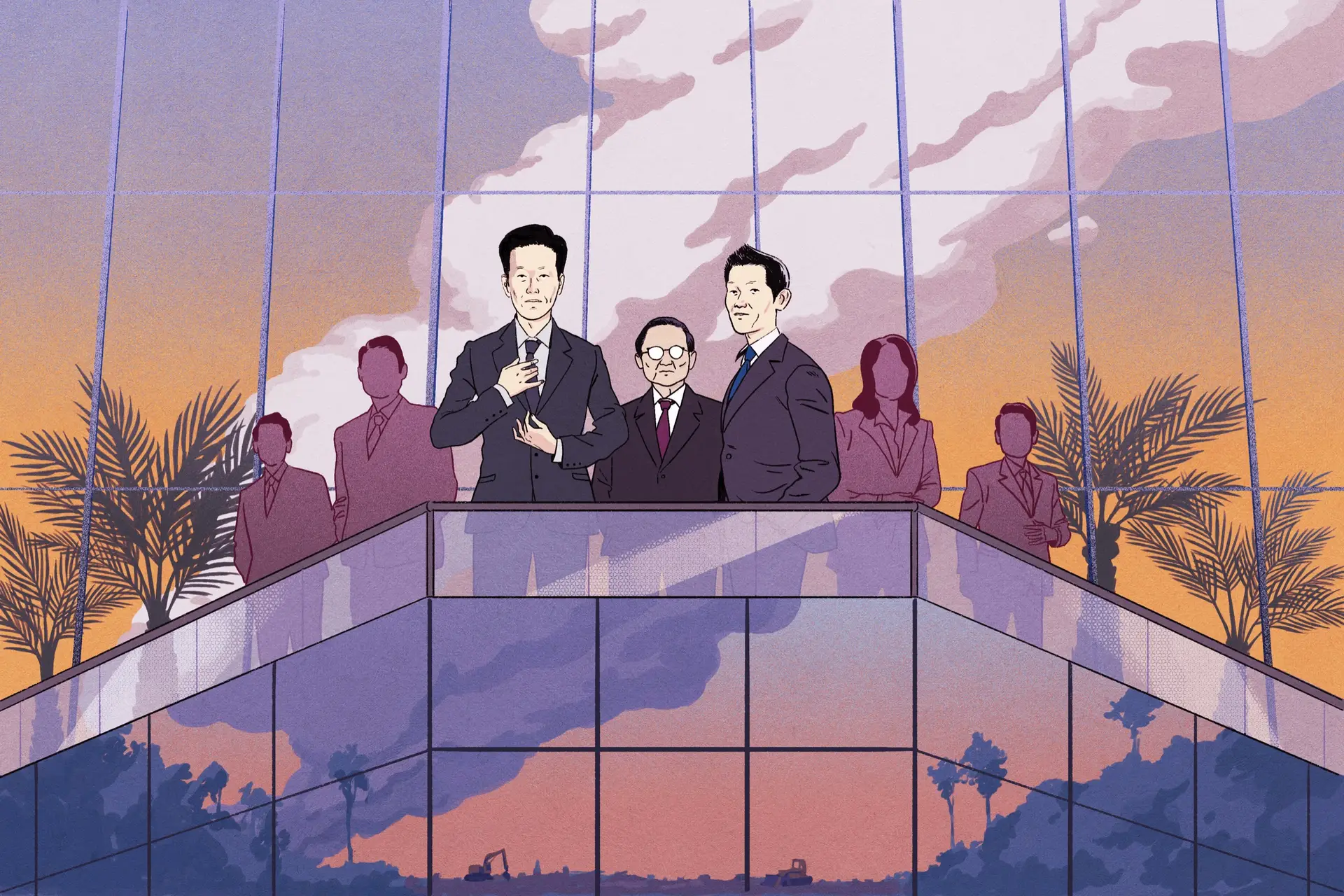
A series of investigations exposing how major conglomerates allegedly used anonymously owned “shadow companies” to clear rainforest while claiming to have removed deforestation from their operations.
I worked on this series of investigations at The Gecko Project, leading on one investigation and contributing reporting on another. I coordinated reporting collaborations with 10 media partners including the International Consortium of Investigative Journalists (ICIJ), Bloomberg News, Tempo and El Pais.
The investigation
In the 2010s, many of the world’s biggest palm oil and pulpwood producers pledged to stop destroying rainforest. Deforestation in Indonesia fell, but it didn’t stop. Instead, obscure companies with owners hidden behind layers of offshore secrecy cut down large areas of primary forest - with no way of holding them to account. This series of investigations asked who was really behind them.
The first major investigation, Chasing Shadows (2023, published as part of ICIJ’s Deforestation Inc project), examined First Resources, a Singapore-listed palm oil giant that pledged to eliminate deforestation from its operations in 2015. Drawing on testimony from fourteen former employees, corporate records and satellite imagery analysis, it found evidence suggesting that the company was linked to a group of “shadow companies” that had cleared more rainforest than any other corporate group in Southeast Asia over the preceding five years. First Resources has consistently denied operating shadow companies. Insiders described the official group and the shadow companies as “just one big group”, and the trail of control ran through a British Virgin Islands entity.
A second investigation, published with Bloomberg News in 2024, interviewed nine former employees of shadow companies that ranked among Indonesia’s worst deforesters. The companies’ ultimate beneficial owners were hidden behind companies registered in Samoa and the British Virgin Islands. But, the insiders’ testimony suggested, the conglomerate Royal Golden Eagle (RGE), whose pulp and paper arm APRIL had also made a high-profile zero-deforestation pledge, was in fact controlling the companies in secret.
A third instalment, Shadow Integration (2026, with Agence France-Presse), used shipment-level trade data, ship tracking and satellite imagery to trace how wood from a deforesting plantation company had entered RGE’s own supply chain.
Impact
The series produced concrete commercial consequences. Following Chasing Shadows, eight consumer goods and chemicals companies — including Procter & Gamble, Danone, Henkel, BASF and Beiersdorf — suspended sourcing from First Resources, a development also covered by ICIJ. After Shadow Integration, consumer healthcare company Haleon ended purchases from RGE’s subsidiary Asia Symbol.
The investigations also fed into the international policy debate on corporate transparency. Our analysis of how secrecy jurisdictions facilitate deforestation documented how companies registered in the British Virgin Islands and Cayman Islands ranked among the worst deforesters in Indonesia, and highlighted that corporate secrecy can have severe climate consequences. British MPs subsequently cited the “disturbing pattern” of BVI-owned companies degrading rainforests, pressing the UK government to force its overseas territories to open up beneficial ownership registers.
Image: Pradarma Rupang/The Gecko Project